
Local knowledge
Interviews and participation of local knowledge holders to identify species, uses and prioritization criteria.
STUDY · BIODIVERSITY & TERRITORY · 2025
A participatory experience that documented local knowledge, recorded species, collected samples and progressed toward the experimental production of essential oils and hydrolats.
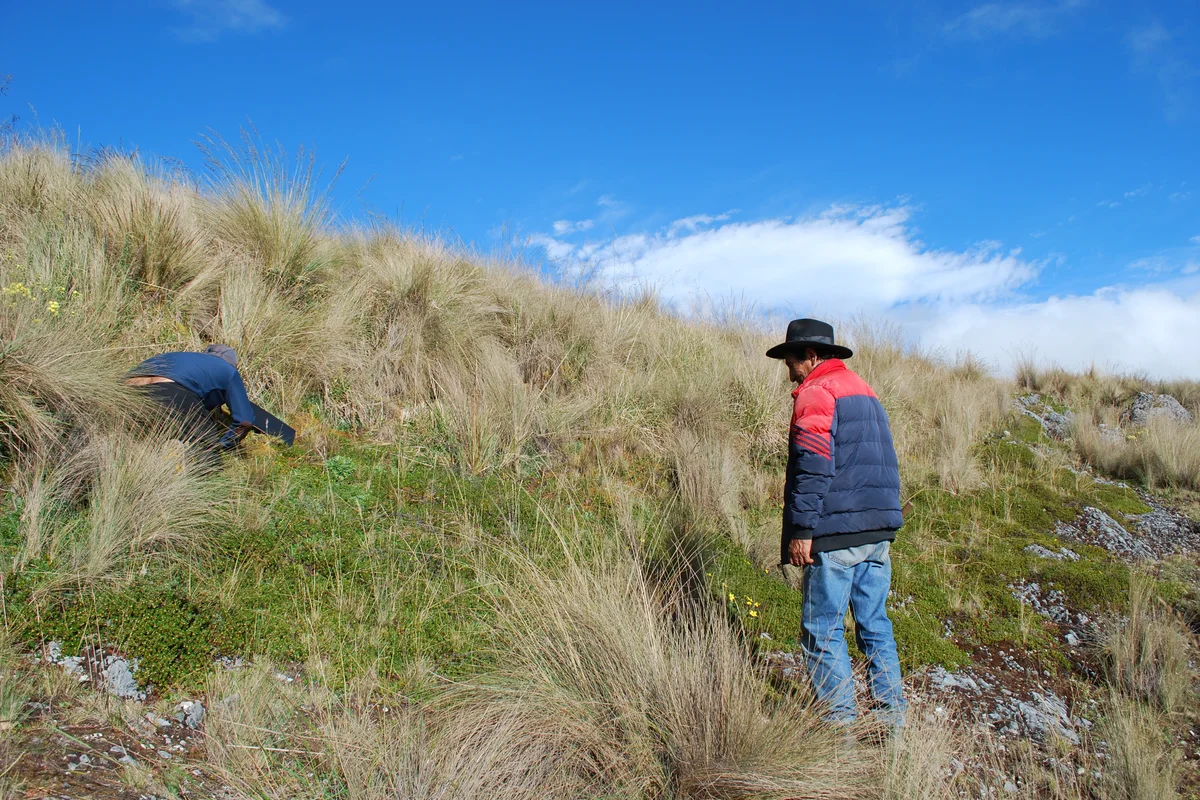
THE STARTING POINT
The study sought to document and characterize medicinal and aromatic plants used locally before progressing toward potential applications.
The inventory relied on participatory techniques, field surveys, photographic records and the knowledge of local experts. The work reported field routes between approximately 3,000 and 4,100 meters above sea level in areas of the community.
METHODOLOGY
Interviews and participation of local knowledge holders to identify species, uses and prioritization criteria.
Fieldwork, photographic recording and inventory across different ecological zones of the community.
Selection and collection of prioritized botanical materials while seeking to preserve their integrity.
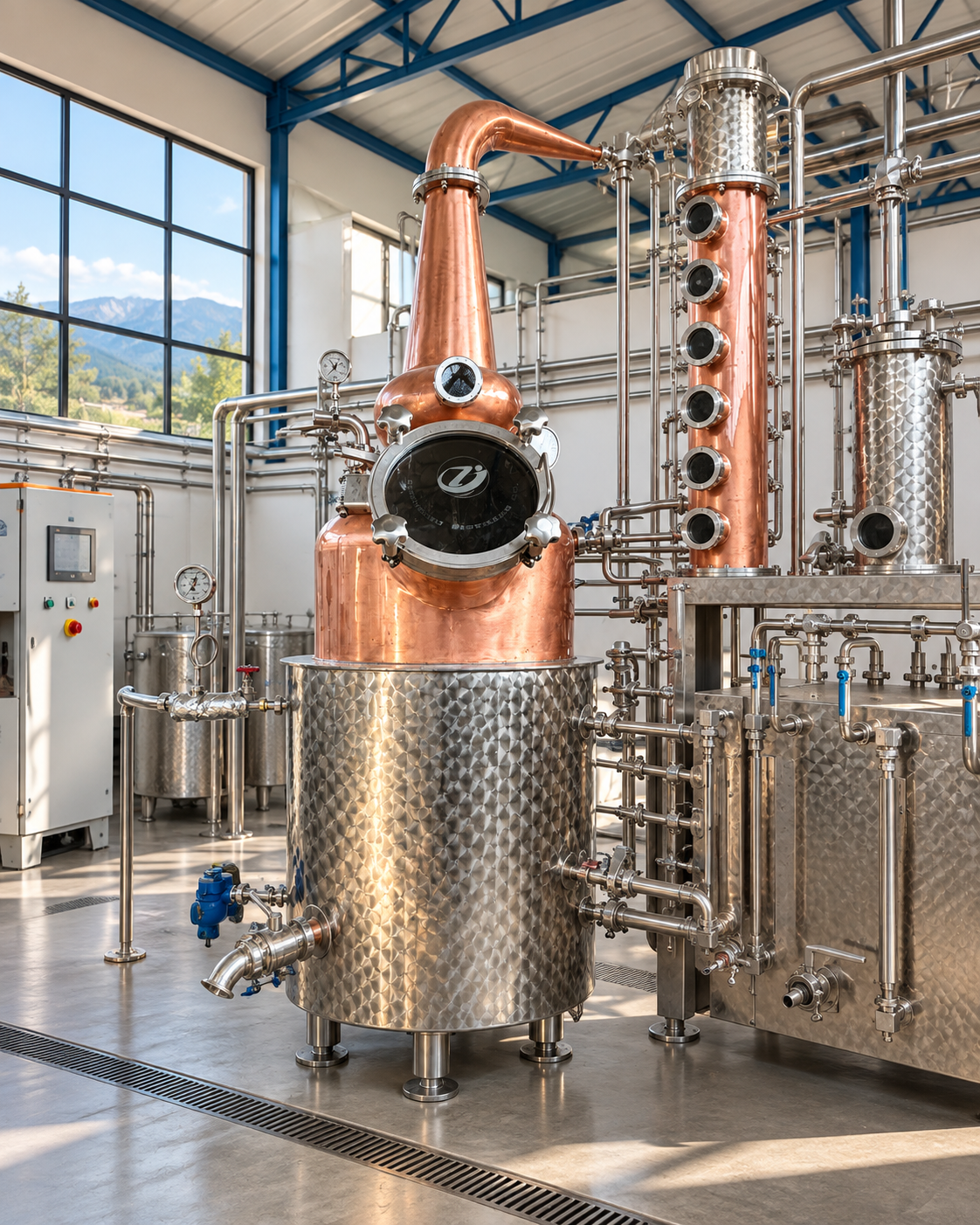
Steam distillation and production of essential-oil and hydrolat samples for subsequent testing.
PRIORITIZED MATERIALS
PRELIMINARY RESULT
The work progressed to steam extraction, production of essential oils and hydrolats, and preliminary yield measurements. Consolidated reports recorded approximate yields between 0.10% and 0.67%, depending on the material and trial.
WHAT COMES NEXT
Preliminary evidence opens questions; it does not close them.
The next level requires, depending on the application, taxonomic confirmation, chemical characterization, safety, stability, supply and sustainable-management assessment, regulatory classification and validation of use.
APPLIED KNOWLEDGE
We can structure a pathway from the initial question through characterization, piloting and evaluation of opportunities.
Tell us your starting point