CASE STUDIES · APPLIED EXPERIENCE

From opportunity to evidence.

Each case shows how we connect territory, knowledge, research, development, design, management and market to address a specific challenge and build a viable pathway.

We do not showcase isolated activities. We show what needed to be solved, which capabilities were activated, what evidence was generated and what that evidence enabled next.

SOLARA
AMAYA
Llañucancha

THREE STARTING POINTS

Three starting points. Different value-creation pathways.

Projects do not all begin in the same place. Some start with a product idea; others with a resource that has potential; others with an open question about a territory.

Our role is to understand the starting point, build the right pathway and generate the evidence needed to decide what comes next.

CASE 01 · NEW CATEGORY

SOLARA

Product development · validation · market

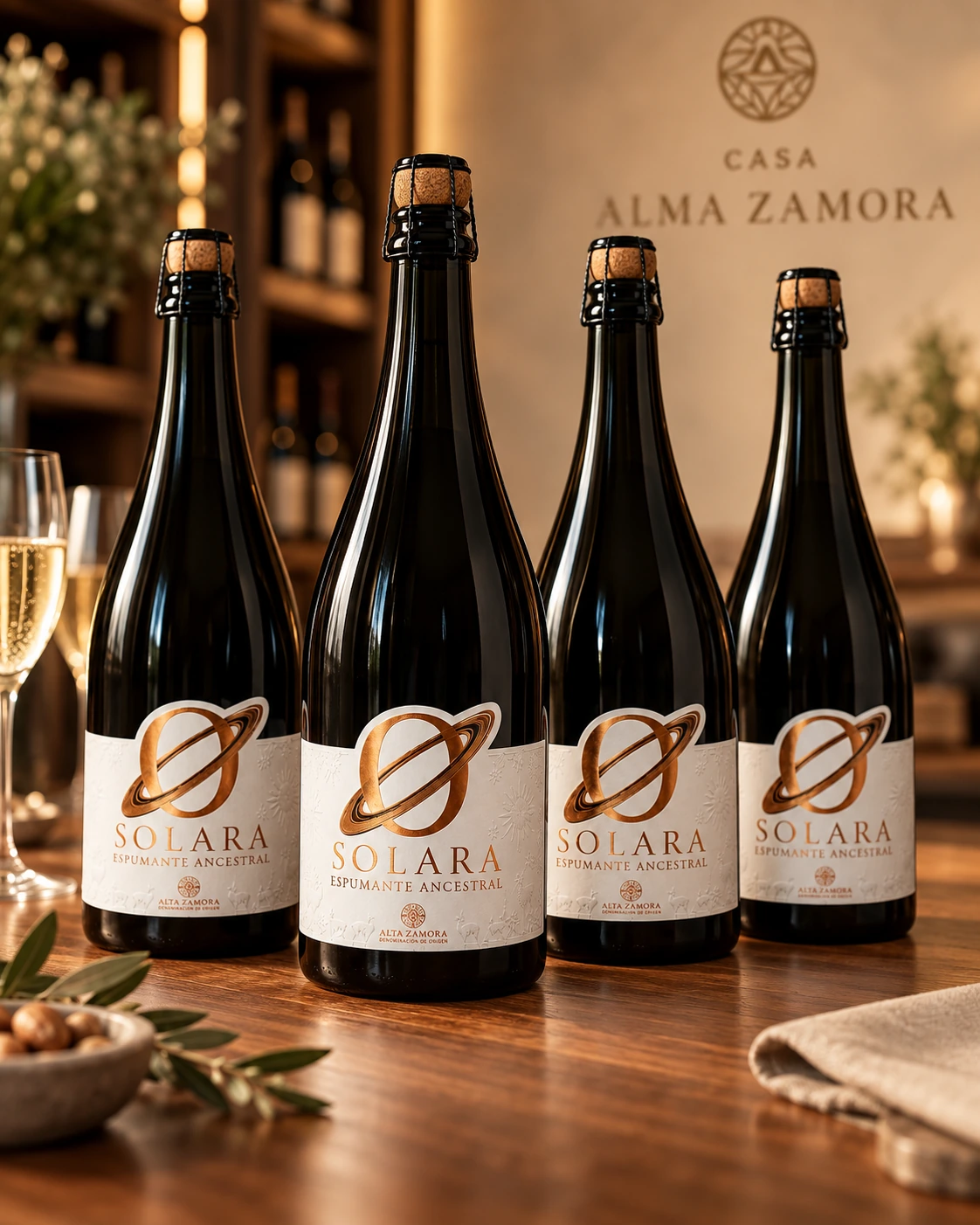
SOLARA connects two territories in a new category: Torontel grape base wine from Ocucaje, Ica, passion fruit from local producers and Andean aromatic herbs from Apurímac. Development brought together formulation, secondary fermentation in bottle, piloting, sensory evaluation, identity and market readiness.

Applied researchProduct developmentPilotingSensory evaluation
Explore the case study →
SOLARA
CASE 02 · RESOURCE VALUE CREATION

AMAYA

Agroindustrial value creation · distillation · identity · sustainability

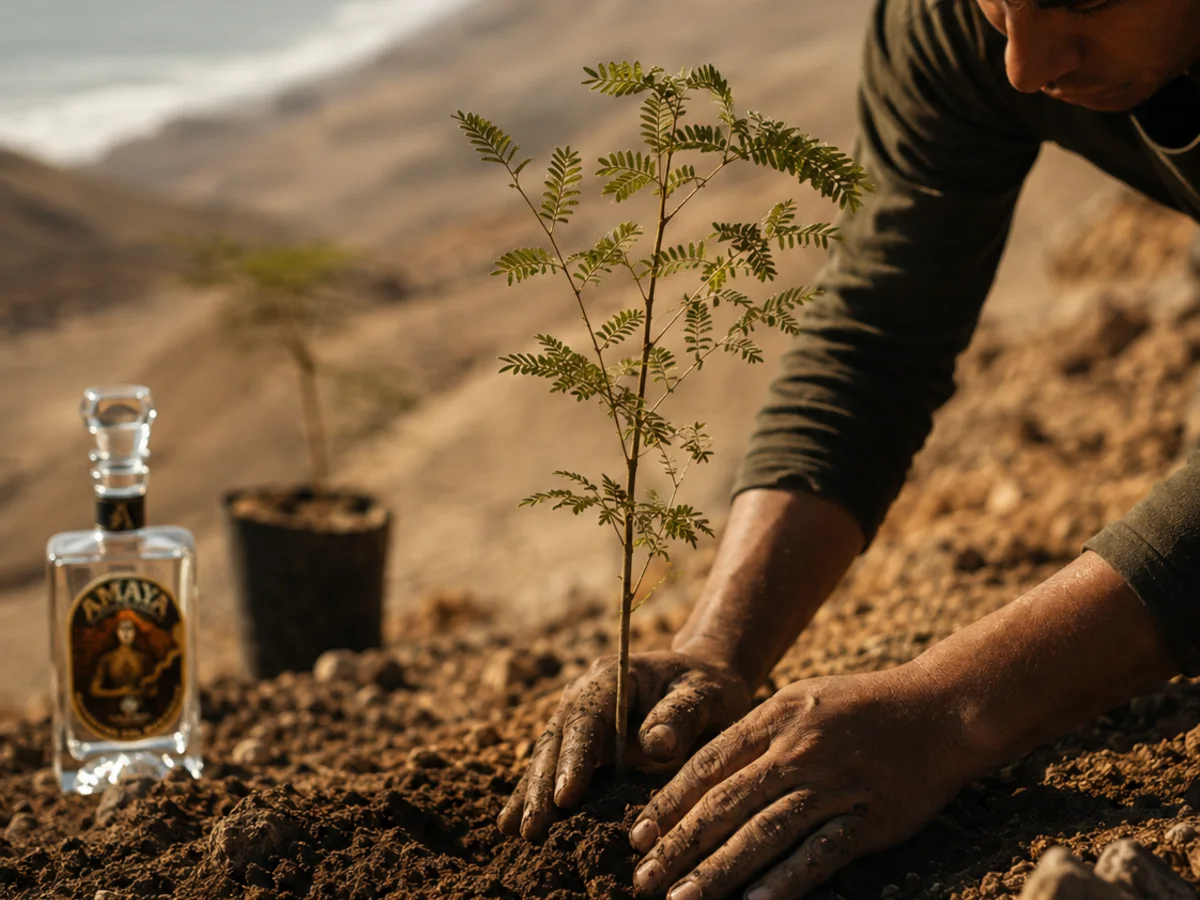
AMAYA explores how to transform the potential of huarango into a higher-value proposition. Research, fermentation, distillation, validation, sustainability and art applied to identity are integrated within a single development pathway.

Agroindustrial value creationFermentation & distillationTechnical validationArt & packaging
Explore the case study →
AMAYA
CASE 03 · TERRITORIAL KNOWLEDGE

Llañucancha

Territorial research · ethnobotany · botanicals

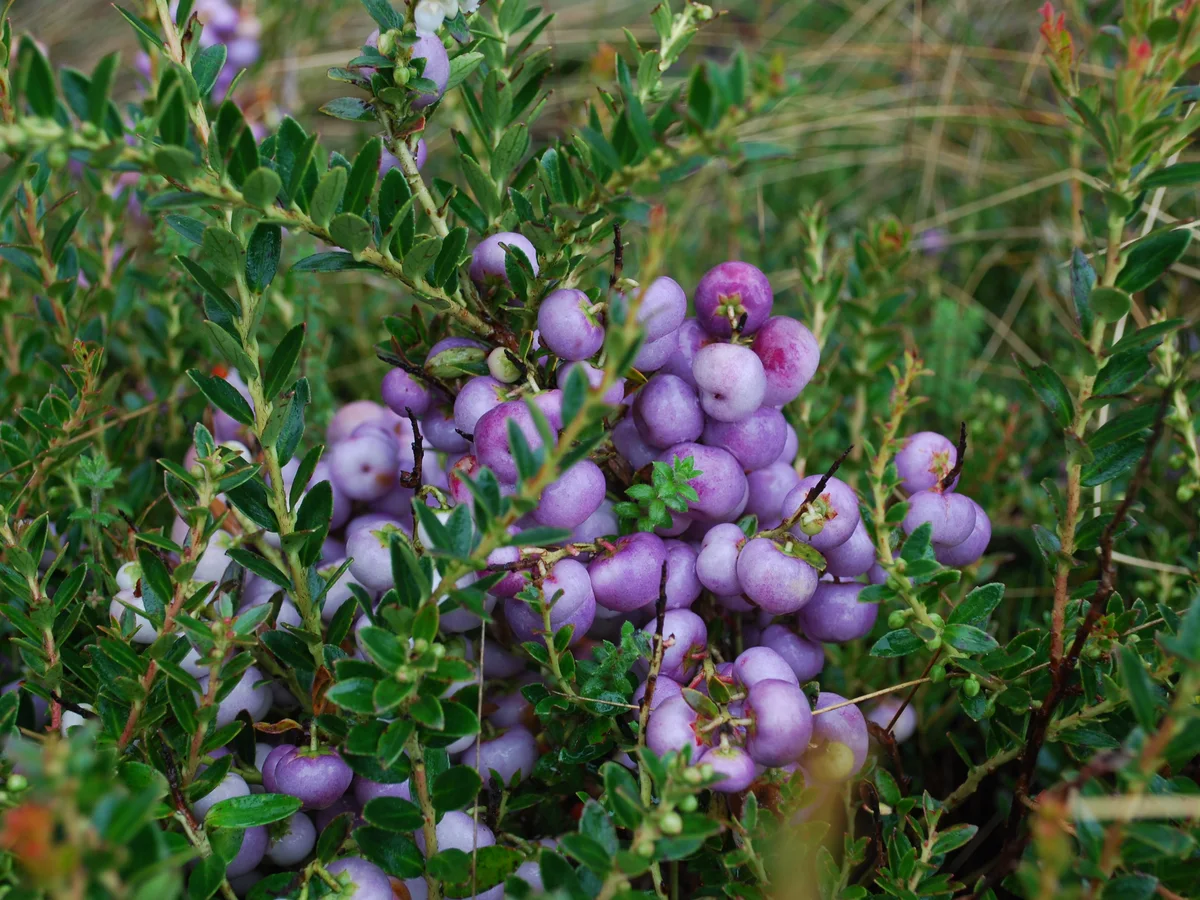
In the Llañucancha Rural Community in Abancay, the work began before the product: by understanding the territory. The ethnobotanical study connected local knowledge, field visits, species identification and recording, sample collection and initial transformation trials with medicinal and aromatic plants.

Participatory researchEthnobotanyCollection & recordingBotanical distillation
Explore the case study →
Llañucancha

HOW WE READ A CASE

From challenge to the next decision.

A case is useful when it helps explain not only what was done, but why it was done, what we learned and what it enabled us to decide next.

01

The starting point

Which challenge, opportunity or uncertainty needed to be understood.

02

The intervention

Which capabilities, knowledge and stakeholders needed to be connected.

03

The evidence

Which tests, prototypes, data, validations or learnings the process produced.

04

The next step

What the evidence made it possible to validate, correct, protect, fund, scale or take to market.

LET'S TALK

Do you have a different challenge? Let’s start by understanding it.

An idea, a raw material, an existing product, a business need or a project that has not yet been structured can all be good starting points.

Tell us about your project